In recent times, the pursuit of a brighter, more dazzling smile through teeth whitening has surged in popularity. Yet, it is crucial to reflect on the effects these products may have on our health and the environment. Many teeth whitening strips in the market contain harmful ingredients, are tested on animals, or are derived from animal sources. For those looking for a more ethical and sustainable option, vegan and cruelty-free teeth whitening strips are the way to go.
In this article, we will explore the natural ingredients found in cruelty free whitening strips and their benefits while also learning how these cruelty-free strips differ from the traditional ones.
What Are The Natural Ingredients Used In Cruelty Free Whitening Strips?
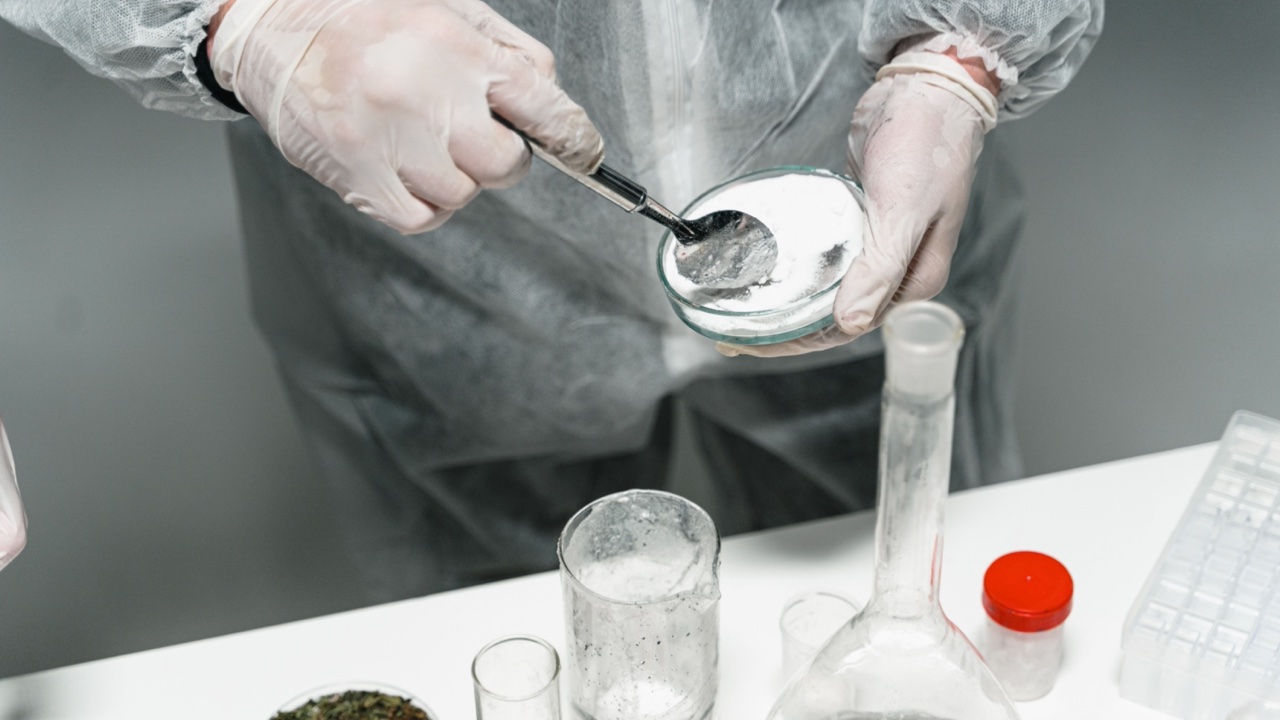
Cruelty-free whitening strips utilize natural ingredients like activated charcoal, coconut oil, natural plant extracts, and baking soda. Activated charcoal is excellent at adsorbing stains, while coconut oil offers antimicrobial properties and moisturizes the teeth and gums. Natural plant extracts like those from fruits like strawberries and oranges provide whitening benefits while baking soda gently removes surface stains. These natural ingredients work together to provide an effective and ethical solution for teeth whitening without the use of harsh chemicals or animal-derived ingredients.
Benefits of These Natural Ingredients
- Gentle and Safe: Natural ingredients are generally milder and less abrasive compared to chemicals used in traditional whitening products. They reduce the risk of teeth sensitivity and enamel erosion, making them suitable for those with sensitive teeth.
- Environmentally Friendly: Cruelty-free whitening strips containing natural ingredients are often derived from renewable and eco-friendly sources. This reduces the environmental impact associated with traditional whitening products that may contain chemicals harmful to ecosystems.
- Animal Welfare: By opting for cruelty-free whitening strips, individuals can be confident that their oral care choices align with their ethical values. These products are not tested on animals and do not contain ingredients derived from animals.
- Overall Oral Health: Natural ingredients like coconut oil and plant extracts offer additional benefits beyond teeth whitening. They can support oral health by reducing plaque buildup, fighting bad breath, and providing antioxidant and antimicrobial effects for a healthier mouth.
Incorporating these natural ingredients in cruelty-free whitening strips ensures a more holistic and responsible approach to teeth whitening, benefiting both individuals and the environment.
How Do Traditional Strips Vary From Cruelty Free Whitening Strips?
Traditional whitening strips often differ from cruelty-free whitening strips in terms of ingredients and their impact on animals. One common ingredient found in many traditional whitening products is glycerin, which is typically derived from "animal and vegetable fats." This means that the production of glycerin may involve animal exploitation or harm.
Similarly, another ingredient commonly used in teeth whitening products, propolis, is derived from bees. Beekeeping practices can often involve the exploitation and harm of bees, making propolis an ingredient that goes against cruelty-free principles.
In contrast, cruelty-free whitening strips prioritize natural ingredients that are free from animal-derived sources, ensuring both ethical considerations and animal welfare are upheld. By choosing cruelty-free options, individuals can enjoy the benefits of teeth whitening while aligning with their compassionate values.
Onuge Teeth Whitening Strips: Leading the Way in Ethical Teeth Whitening
One leading manufacturer in this field is Onuge, a company that prides itself on producing teeth whitening strips that are not only effective but also cruelty-free and vegan. As the leading manufacturer of teeth whitening strips in China, Onuge has set a new standard in the industry by offering products that are free from harmful animal testing and animal-derived ingredients.
Conclusion
As the demand for teeth whitening products grows, it's important to consider their environmental and ethical implications. Onuge's cruelty-free and vegan whitening strips offer effective and ethical teeth-whitening solutions that use natural ingredients like activated charcoal and coconut oil. By choosing Onuge, individuals can have a brighter smile while being conscious of their impact on the planet and animals - why settle for anything less than cruelty-free teeth whitening?